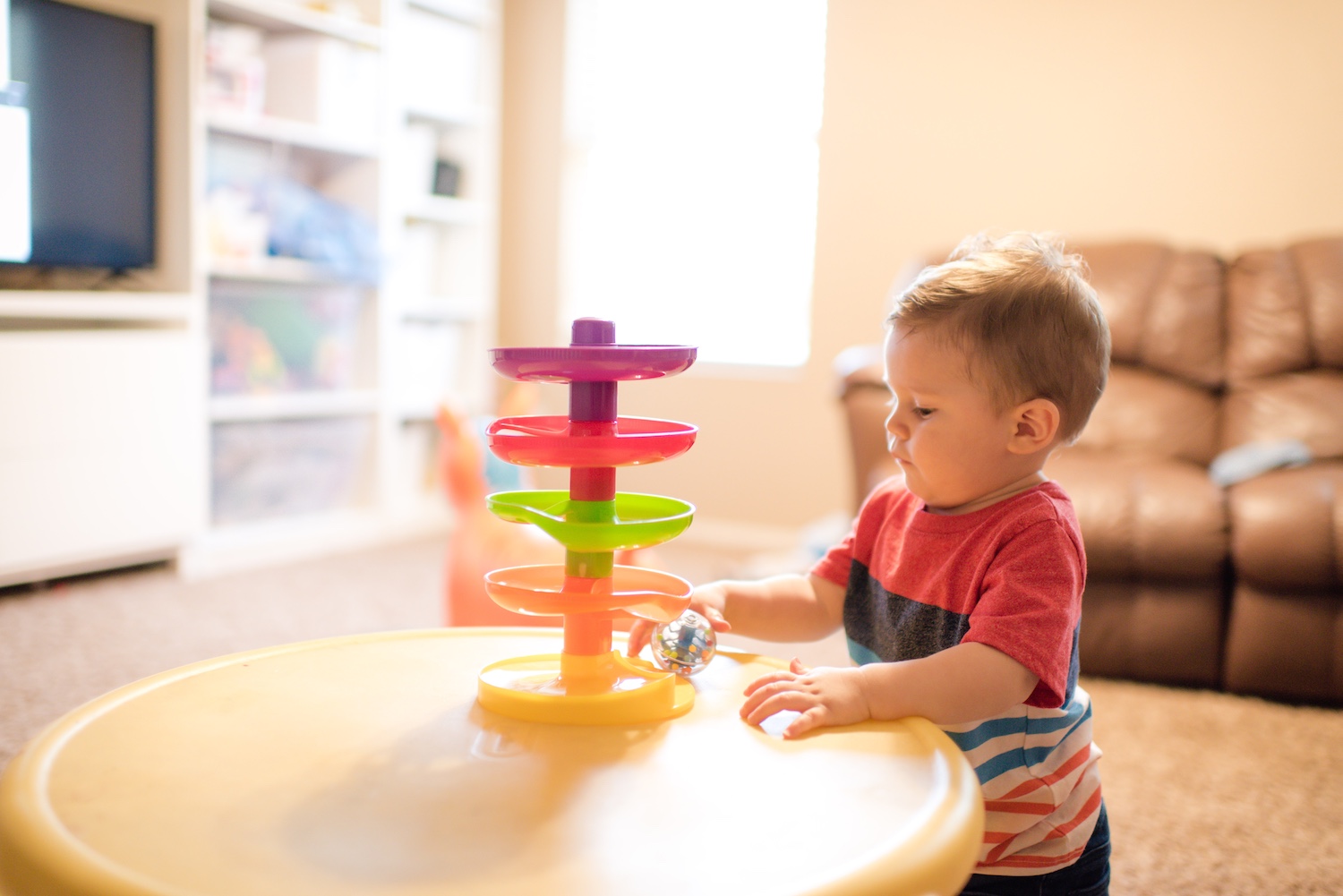
As a new parent, there’s nothing quite like spending those first few years with your toddler. Watching them toddle around on wobbly legs, babble their first words, and explore the world can be a fascinating journey for both of you. But what happens when things seem a little “off”? Your little one may not make eye contact with other kids their age during playtime or appear more interested in spinning wheels on a toy car than joining in on games. You might notice they don’t respond when you call their name or don’t use gestures like pointing or waving goodbye. These subtle signs can be the early indicators of autism spectrum disorder (ASD), which affects communication, behavior, and social interaction. Early detection isn’t about labeling, it’s about unlocking support that can open a whole new world of possibilities for your child.
At Kuska Autism Services, we have supported numerous families across Bountiful and Draper, Utah, in their journey. With years of clinical experience and keeping up with the latest autism research from organizations like the Centers for Disease Control and Prevention (CDC), we know early intervention can make a world of difference. In fact, studies show that autism diagnosed before 3 years old is associated with better language, social skills, and independent living.If you’re a parent or caregiver in the Bountiful or Draper area and have noticed these signs, it might be time to consider an evaluation by a professional. It could be that crucial first step on your child’s path to support.
Key Early Indicators in Toddlers
One of the earliest and most common indicators in toddlers is reduced eye contact. Kids with autism often focus on objects, patterns, or floors instead of faces. They may not show or share interest with others, like pointing outside the window to a bird they notice, or use simple gestures like waving goodbye. Speech delays are another early clue: many toddlers babble or string together single words by the age of 1, but those on the spectrum might repeat words or phrases without comprehending them (echolalia) or remain largely silent. And while repetitive actions like hand-flapping, rocking, or toe-walking may self-soothe kids with autism, these repetitive motions also point to sensory processing differences.
Sensory sensitivities add another layer of early indicators for autism in toddlers. Bright lights, loud sounds, certain textures, or strong smells might overwhelm your child, leading to tantrums and meltdowns that seem out of proportion to the situation. Conversely, some toddlers on the autism spectrum crave intense sensory input, like spinning in circles for long periods without getting dizzy. Play styles can also be very different: Autistic toddlers tend to engage in solitary repetitive play instead of social pretend play, such as feeding a doll, driving a car on an imaginary journey, or building block towers together.
Why Local Focus Matters in Bountiful and Draper
Well, because these two communities in Utah are teeming with growing families that need your services. However, access to specialized autism services can be limited in Utah. The latest CDC data estimates ASD prevalence by surveillance site to be around 2.7% (1 in 37) among 8-year-olds in Utah. And waitlists for autism evaluation can be several months long. This is where Kuska can help. Our team of Board Certified Behavior Analysts (BCBAs) provide comprehensive assessments and work with you right here in the community. We can collaborate with pediatricians and schools to streamline the process so you don’t feel alone in this.
A Simple Checklist for Parents
Consider a simple checklist to gauge if it’s time to consult a professional:
- Does your toddler avoid eye contact or not respond to their name by 12 months?
- Are there speech delays, like fewer than 6 words by 18 months or no two-word phrases by 24 months?
- Do they show repetitive behaviors, such as lining up toys or flapping hands excessively?
- Is pretend play absent, with more interest in parts of toys (e.g., wheels) than the whole?
- Do they resist changes in routine, leading to distress over small shifts?
If several ring true, don’t wait. Early diagnosis opens doors to evidence-based therapies like Applied Behavior Analysis (ABA), which we provide at Kuska.
The Science Behind Early Intervention
Don’t just take our word for it: Science proves that early detection and treatment work better for autistic kids. The American Academy of Pediatrics recommends screening all toddlers for ASD at 18 and 24 months. But many parents first notice signs earlier. Ignoring these indicators could miss valuable developmental windows and brain plasticity. In Utah, free developmental screenings and early intervention programs, like Baby Watch Early Intervention through the Department of Health and Human Services, can also complement Kuska’s services and provide evaluations for children under 3 years old.
Autism diagnosis is just the first step, not the finish line. Parents in Bountiful report the benefits of connecting with support groups helped reduce the isolation they felt. We host workshops and link parents to resources, building a community of families where no one feels alone. If you’re reading this from Draper, that means in-home and clinic-based therapy options are available, bringing quality therapy to your doorstep while minimizing disruptions to your family.
Take the Next Step Today
Timely action empowers your child. Don’t hesitate to contact us for a consultation. At Kuska, we’re committed to guiding you with trustworthy, expert care rooted in real-world experience.
Frequently Asked Questions (FAQs)
What are the 3 main symptoms of autism in toddlers?
Based on common searches from sources like the CDC and Mayo Clinic, the primary symptoms include challenges with social communication (e.g., limited eye contact), repetitive behaviors (e.g., hand-flapping), and restricted interests or sensory sensitivities.
At what age do signs of autism appear?
Trending queries on platforms like Google and HealthyChildren.org indicate signs can emerge as early as 6-12 months, but they’re often noticeable by 18-24 months during routine screenings.
How can you tell if a 2-year-old has autism?
Popular questions from Cleveland Clinic highlight red flags like not responding to their name, speech delays, or preferring solitary play over social interaction,prompting a professional evaluation.
What does mild autism look like in toddlers?
From frequent searches on Child Mind Institute and BabyCenter, mild cases might involve subtle delays in gestures, intense focus on specific toys, or minor sensory issues without severe disruptions.
What are the indicators for autism in babies under 12 months?
Common concerns from NHS and CDC resources include lack of smiling by 6 months, no babbling by 9 months, or failure to point or wave by 12 months, urging early monitoring.
References
- Zwaigenbaum L, et al. Early Intervention for Children With Autism Spectrum Disorder Under 3 Years of Age: Recommendations for Practice and Research. Pediatrics. 2015;136(Suppl 1):S60-S81. https://publications.aap.org/pediatrics/article/136/Supplement_1/S60/33737/Early-Intervention-for-Children-With-Autism
- Shaw KA, et al. Prevalence and Early Identification of Autism Spectrum Disorder Among Children Aged 4 and 8 Years — Autism and Developmental Disabilities Monitoring Network, 16 Sites, United States, 2022. MMWR Surveill Summ. 2025;74(No. SS-2):1–22. https://www.cdc.gov/mmwr/volumes/74/ss/ss7402a1.htm
- Hyman SL, et al. Identification, Evaluation, and Management of Children With Autism Spectrum Disorder. Pediatrics. 2020;145(1):e20193447. https://publications.aap.org/pediatrics/article/145/1/e20193447/36917/Identification-Evaluation-and-Management-of
- Baby Watch Early Intervention Program. Utah Department of Health and Human Services. https://familyhealth.utah.gov/cshcn/programs/babywatch.html